Sunday, April 26, 2020

Benefits of Using Resistance Training Bands During Your Workout


Resistance bands are great for those who want to exercise at home, or who like to take their workouts along when they travel, but their value doesn't end there. There are many benefits to these simple exercise tools, including versatility, convenience, safety, and effectiveness. The more you learn about the advantages of resistance band exercises, the more you'll be motivated to add them to your own home gym.

These inexpensive exercise tools are a convenient option for people of any age or fitness level. But don't let their simplicity fool you. Resistance band exercises are surprisingly effective and offer many benefits over traditional free weights.

1. GET A COST-EFFECTIVE WORKOUT
Whether you buy them individually or as a set, resistance bands are an inexpensive addition to your home gym equipment. Some resistance bands are even are sold with a guided exercise DVD.

2. ADAPT EASILY FOR MULTIPLE FITNESS LEVELS
Resistance bands come in multiple resistance levels, usually light, medium or heavy. You can further adjust the amount of resistance during exercise just by giving more or less slack on the band, as well as by combining multiple resistance bands to increase the challenge.

3. MODIFY FAMILIAR EXERCISES
Resistance band exercises are often based on familiar strength-training moves. For example, if you stand on one end of the cord and curl your arm up while holding the other end, you've replaced your standard dumbbell bicep curl.

4. EXERCISE YOUR WHOLE BODY
Many resistance band kits come with suggested exercises for nearly every major muscle group in your body. Stepping on one end of a resistance band or looping it around a stationary object, for example, opens up many exercise possibilities.

5. SAVE ON STORAGE SPACE
When you don't have a lot of room for a home gym, resistance bands are a great option that store in very little space. You can hang them on a hook after you exercise, or coil them up to store in a box or drawer.

6. EXERCISE ON THE ROAD
Because they are so small and portable, resistance bands are a great way to take your workout with you when you travel. There are many resistance band exercises that can easily be done in the small space of a hotel room.

7. ADD VARIETY TO YOUR WORKOUTS
Over time, your muscles adapt to any new exercise routine. It's a good idea to mix it up by cross-training with free weights, machines and resistance band exercises. Each will work your muscles in a slightly different way.

8. EXERCISE SAFELY, EVEN WHEN ALONE
Resistance bands offer strength-training without the risk of dropping a heavy weight on your foot or crushing your fingers between weight plates. That makes them ideal for working out when you don't have a personal trainer or exercise partner to spot you.

9. COMBINE WITH OTHER EXERCISE EQUIPMENT
While resistance bands work great on their own, they can also be combined with other exercise equipment. Performing bicep curls with both a resistance band and a dumbbell will give you the combined benefits of each type of equipment.

10. GET AN EFFECTIVE WORKOUT
Although there are differences between free weight and resistance band exercises, both are effective. Picture the arc motion your arm makes while doing a bicep curl. Free weights will feel heaviest at the beginning of that arc, while resistance bands make your muscles work harder at the end of the arc (when the band is most taut). Either way, your body is moving against resistance, and that will give your muscles an effective workout.

Sunday, April 19, 2020

Exercising Outdoor Will Make You Feel Better


The warm weather has finally arrived -- and with it, yet another study showing a health boon to moving among the leaves and blossoms. Strolling through an outdoor green space quiets the mind and lessens brain fatigue. Here are more reasons to walk, bike, run, climb, blade and even strength train in nature.

You'll work out longer. Whether you power up and down a set of bleachers in your favorite park or mountain bike along a remote wooded trail, the distractions of your surroundings take your mind off the work of working out. As a result, you'll end up going a lot farther than you would have if you'd been walled in. You can press 'stop' on a treadmill, but you can't turn back time after you've walked or jogged three or more miles.

You'll zap more calories. Research shows that exercisers burn 10 percent more calories when they walk or run outdoors than they do when they hoof it inside on a treadmill at the same speed. When you're caught up in your environment, you're less focused on how tired you are or how much your muscles ache. 

You’ll get off the mat. Parks are good for more than dog-walking and picnics -- they’re an ideal spot for toning. Try this mini-workout: Using a park bench as your prop, do 12 reps each of tricep dips with one leg extended (then switch legs), power jump-ups (squat, then swing arms for momentum and jump on to the bench, landing in a squat) and bicycles (lean back 45 degrees on the bench, with your hands next to your hips). Then hit the grass for push-ups and punching lunges.

You'll elevate your self-esteem. Nature's stimulation also impacts your brain in positive ways. In an article in Environmental Science & Technology, British researchers shared their findings that exercising outdoors improves self-esteem and that a walk in the country improves one's mood. Outdoor exercise stimulates all five senses in a way that indoor activities can't. Breathing in fresh air, feeling the ground under your feet, and taking in all the colors and sounds in nature are positive stimulants hitting you at the same time. You can't help but feel better about yourself and the world around you.

You'll feel happier and have a greater sense of well-being. Communing in nature makes people feel more alive, according to a series of studies published in the Journal of Environmental Psychology. In a number of recent studies, volunteers went for two walks for the same time or distance -- one inside (usually on a treadmill or around a track), the other outdoors. Virtually all of the participants reported enjoying the outside activity more and scored significantly higher on psychological tests measuring vitality and energy, and lower in anger and depression. 

You'll reduce stress. According to the California Outdoor Recreation Planning Program, over 100 studies found stress was lowered during activities that took place in either the wilderness or urban nature areas. Here are our recommendation for a stress-diminishing walk or run: Direct your focus away from your thoughts and try to get your body moving in a relaxed way. Soften your gaze, breathe deeply into your belly through your nose, drop your shoulders and direct your energy into your lower body and away from your head. Try not to plan, think, judge, worry, describe or consider.

Sunday, April 12, 2020

Meditation: A Simple Way To Reduce Stress


If stress has you anxious, tense and worried, consider trying meditation. Spending even a few minutes in meditation can restore your calm and inner peace.
Anyone can practice meditation. It's simple and inexpensive, and it doesn't require any special equipment.

And you can practice meditation wherever you are — whether you're out for a walk, riding the bus, waiting at the doctor's office or even in the middle of a difficult business meeting.

Understanding meditation

Meditation has been practiced for thousands of years. Meditation originally was meant to help deepen understanding of the sacred and mystical forces of life. These days, meditation is commonly used for relaxation and stress reduction.
Meditation is considered a type of mind-body complementary medicine. Meditation can produce a deep state of relaxation and a tranquil mind.

During meditation, you focus your attention and eliminate the stream of jumbled thoughts that may be crowding your mind and causing stress. This process may result in enhanced physical and emotional well-being.
Benefits of meditation

Meditation can give you a sense of calm, peace and balance that can benefit both your emotional well-being and your overall health.
And these benefits don't end when your meditation session ends. Meditation can help carry you more calmly through your day and may help you manage symptoms of certain medical conditions.

Meditation and emotional well-being

When you meditate, you may clear away the information overload that builds up every day and contributes to your stress.

The emotional benefits of meditation can include:
Gaining a new perspective on stressful situations
Building skills to manage your stress
Increasing self-awareness
Focusing on the present
Reducing negative emotions
Increasing imagination and creativity
Increasing patience and tolerance

Meditation and illness

Meditation might also be useful if you have a medical condition, especially one that may be worsened by stress.

While a growing body of scientific research supports the health benefits of meditation, some researchers believe it's not yet possible to draw conclusions about the possible benefits of meditation.

With that in mind, some research suggests that meditation may help people manage symptoms of conditions such as:
Anxiety
Asthma
Cancer
Chronic pain
Depression
Heart disease
High blood pressure
Irritable bowel syndrome
Sleep problems
Tension headaches

Be sure to talk to your health care provider about the pros and cons of using meditation if you have any of these conditions or other health problems. In some cases, meditation can worsen symptoms associated with certain mental and physical health conditions.

Meditation isn't a replacement for traditional medical treatment. But it may be a useful addition to your other treatment.

Types of meditation

Meditation is an umbrella term for the many ways to a relaxed state of being. There are many types of meditation and relaxation techniques that have meditation components. All share the same goal of achieving inner peace.

Ways to meditate can include:
Guided meditation. Sometimes called guided imagery or visualization, with this method of meditation you form mental images of places or situations you find relaxing.
You try to use as many senses as possible, such as smells, sights, sounds and textures. You may be led through this process by a guide or teacher.
Mantra meditation. In this type of meditation, you silently repeat a calming word, thought or phrase to prevent distracting thoughts.
Mindfulness meditation. This type of meditation is based on being mindful, or having an increased awareness and acceptance of living in the present moment. In mindfulness meditation, you broaden your conscious awareness. You focus on what you experience during meditation, such as the flow of your breath. You can observe your thoughts and emotions, but let them pass without judgment.
Qi gong. This practice generally combines meditation, relaxation, physical movement and breathing exercises to restore and maintain balance. Qi gong (CHEE-gung) is part of traditional Chinese medicine.
Tai chi. This is a form of gentle Chinese martial arts. In tai chi (TIE- CHEE), you perform a self-paced series of postures or movements in a slow, graceful manner while practicing deep breathing.
Transcendental Meditation®. Transcendental Meditation is a simple, natural technique. In Transcendental Meditation, you silently repeat a personally assigned mantra, such as a word, sound or phrase, in a specific way.  This form of meditation may allow your body to settle into a state of profound rest and relaxation and your mind to achieve a state of i nner peace, without needing to use concentration or effort.
Yoga. You perform a series of postures and controlled breathing exercises to promote a more flexible body and a calm mind. As you move through poses that require balance and concentration, you're encouraged to focus less on your busy day and more on the moment.

Elements of meditation

Different types of meditation may include different features to help you meditate. These may vary depending on whose guidance you follow or who's teaching a class. Some of the most common features in meditation include:
Focused attention. Focusing your attention is generally one of the most important elements of meditation.
Focusing your attention is what helps free your mind from the many distractions that cause stress and worry. You can focus your attention on such things as a specific object, an image, a mantra, or even your breathing.
Relaxed breathing. This technique involves deep, even-paced breathing using the diaphragm muscle to expand your lungs. The purpose is to slow your breathing, take in more oxygen, and reduce the use of shoulder, neck and upper chest muscles while breathing so that you breathe more efficiently.
A quiet setting. If you're a beginner, practicing meditation may be easier if you're in a quiet spot with few distractions, including no television, radios or cellphones.
As you get more skilled at meditation, you may be able to do it anywhere, especially in high-stress situations where you benefit the most from meditation, such as a traffic jam, a stressful work meeting or a long line at the grocery store.
A comfortable position. You can practice meditation whether you're sitting, lying down, walking, or in other positions or activities. Just try to be comfortable so that you can get the most out of your meditation. Aim to keep good posture during meditation.
Open attitude. Let thoughts pass through your mind without judgment.

Everyday ways to practice meditation

Don't let the thought of meditating the "right" way add to your stress. If you choose to, you can attend special meditation centers or group classes led by trained instructors. But you can also practice meditation easily on your own.
And you can make meditation as formal or informal as you like, however it suits your lifestyle and situation. Some people build meditation into their daily routine. For example, they may start and end each day with an hour of meditation. But all you really need is a few minutes of quality time for meditation.

Here are some ways you can practice meditation on your own, whenever you choose:
Breathe deeply. This technique is good for beginners because breathing is a natural function.
Focus all your attention on your breathing. Concentrate on feeling and listening as you inhale and exhale through your nostrils. Breathe deeply and slowly. When your attention wanders, gently return your focus to your breathing.
Scan your body. When using this technique, focus attention on different parts of your body. Become aware of your body's various sensations, whether that's pain, tension, warmth or relaxation.
Combine body scanning with breathing exercises and imagine breathing heat or relaxation into and out of different parts of your body.
Repeat a mantra. You can create your own mantra, whether it's religious or secular. Examples of religious mantras include the Jesus Prayer in the Christian tradition, the holy name of God in Judaism, or the om mantra of Hinduism, Buddhism and other Eastern religions.
Walk and meditate. Combining a walk with meditation is an efficient and healthy way to relax. You can use this technique anywhere you're walking, such as in a tranquil forest, on a city sidewalk or at the mall.
When you use this method, slow down your walking pace so that you can focus on each movement of your legs or feet. Don't focus on a particular destination. Concentrate on your legs and feet, repeating action words in your mind such as "lifting," "moving" and "placing" as you lift each foot, move your leg forward and place your foot on the ground.
Engage in prayer. Prayer is the best known and most widely practiced example of meditation. Spoken and written prayers are found in most faith traditions.
You can pray using your own words or read prayers written by others. Check the self-help section of your local bookstore for examples. Talk with your rabbi, priest, pastor or other spiritual leader about possible resources.
Read and reflect. Many people report that they benefit from reading poems or sacred texts, and taking a few moments to quietly reflect on their meaning.
You can also listen to sacred music, spoken words, or any music you find relaxing or inspiring. You may want to write your reflections in a journal or discuss them with a friend or spiritual leader.
Focus your love and gratitude. In this type of meditation, you focus your attention on a sacred image or being, weaving feelings of love, compassion and gratitude into your thoughts. You can also close your eyes and use your imagination or gaze at representations of the image.

Building your meditation skills

Don't judge your meditation skills, which may only increase your stress. Meditation takes practice.
Keep in mind, for instance, that it's common for your mind to wander during meditation, no matter how long you've been practicing meditation. If you're meditating to calm your mind and your attention wanders, slowly return to the object, sensation or movement you're focusing on.

Experiment, and you'll likely find out what types of meditation work best for you and what you enjoy doing. Adapt meditation to your needs at the moment. Remember, there's no right way or wrong way to meditate. What matters is that meditation helps you reduce your stress and feel better overall.

Tuesday, March 24, 2020

Use Exercise As Your Stress Relief


Virtually any form of exercise, from aerobics to yoga, can act as a stress reliever. If you're not an athlete or even if you're out of shape, you can still make a little exercise go a long way toward stress management. Discover the connection between exercise and stress relief — and why exercise should be part of your stress management plan.

Exercise and stress relief

Exercise increases your overall health and your sense of well-being, which puts more pep in your step every day. But exercise also has some direct stress-busting benefits.

It pumps up your endorphins. Physical activity helps bump up the production of your brain's feel-good neurotransmitters, called endorphins. Although this function is often referred to as a runner's high, a rousing game of tennis or a nature hike also can contribute to this same feeling.

It's meditation in motion. After a fast-paced game of racquetball or several laps in the pool, you'll often find that you've forgotten the day's irritations and concentrated only on your body's movements.

As you begin to regularly shed your daily tensions through movement and physical activity, you may find that this focus on a single task, and the resulting energy and optimism, can help you remain calm and clear in everything you do.

It improves your mood. Regular exercise can increase self-confidence, it can relax you, and it can lower the symptoms associated with mild depression and anxiety. Exercise can also improve your sleep, which is often disrupted by stress, depression and anxiety. All of these exercise benefits can ease your stress levels and give you a sense of command over your body and your life.

Put exercise and stress relief to work for you.  

A successful exercise program begins with a few simple steps.

Consult with your doctor. If you haven't exercised for some time and you have health concerns, you may want to talk to your doctor before starting a new exercise routine.

Walk before you run. Build up your fitness level gradually. Excitement about a new program can lead to overdoing it and possibly even injury.

For most healthy adults, the Department of Health and Human Services recommends getting at least 150 minutes a week of moderate aerobic activity (such as brisk walking or swimming) or 75 minutes a week of vigorous aerobic activity (such as running). You also can do a combination of moderate and vigorous activity.

Also, incorporate strength training exercises at least twice a week.

Do what you love. Virtually any form of exercise or movement can increase your fitness level while decreasing your stress. The most important thing is to pick an activity that you enjoy. Examples include walking, stair climbing, jogging, bicycling, yoga, tai chi, gardening, weightlifting and swimming.

Pencil it in. Although your schedule may necessitate a morning workout one day and an evening activity the next, carving out some time to move every day helps you make your exercise program an ongoing priority.

Stick with it

Starting an exercise program is just the first step. Here are some tips for sticking with a new routine or reinvigorating a tired workout:

Set SMART goals. Write down SMART goals — specific, measurable, attainable, relevant and time-limited goals.
If your primary goal is to reduce stress in your life and recharge your batteries, your specific goals might include committing to walking during your lunch hour three times a week or, if needed, finding a baby sitter to watch your children so that you can slip away to attend a cycling class.

Find a friend. Knowing that someone is waiting for you to show up at the gym or the park can be a powerful incentive. Working out with a friend, co-worker or family member often brings a new level of motivation and commitment to your workouts.

Change up your routine. If you've always been a competitive runner, take a look at other less competitive options that may help with stress reduction, such as Pilates or yoga classes. As an added bonus, these kinder, gentler workouts may enhance your running while also decreasing your stress.

Exercise in increments. Even brief bouts of activity offer benefits. For instance, if you can't fit in one 30-minute walk, try three 10-minute walks instead. Interval training, which entails brief (60 to 90 seconds) bursts of intense activity at almost full effort, is being shown to be a safe, effective and efficient way of gaining many of the benefits of longer duration exercise. What's most important is making regular physical activity part of your lifestyle.

Whatever you do, don't think of exercise as just one more thing on your to-do list. Find an activity you enjoy — whether it's an active tennis match or a meditative meander down to a local park and back — and make it part of your regular routine. Any form of physical activity can help you unwind and become an important part of your approach to easing stress.

Tuesday, March 10, 2020

Boost Up Your Immune System To Fight Of Viruses


Reduce Your Stress Levels
Chronic stress suppresses the immune response of the body by releasing the hormone cortisol. Cortisol interferes with the T-cells(a specific white blood cell) to reproduce and receive signals from the body. Cortisol also reduces the antibody secretory IgA, which lines the gut and respiratory tract, which are our first line of defense against pathogens. To keep your stress in check, practice yoga, meditation or deep breathing in your regular routine.

Moderate Your Alcohol Intake
Numerous researches have shown that excess intake of alcohol can tamper with the immune system and its pathway in a complicated manner. However, moderate consumption of alcohol can be helpful to the overall health of the body.

Make Sure You Get Your A-B-C-D-Es
The saying, “an apple a day keeps the doctor away” can actually be true as consumption of vitamins can boost your immune system. Vitamin A, B6, C, D and E can help increase the strength of the immune system. Vitamin C is the biggest booster of all and lack of it can cause several diseases including Scurvy. You can get Vitamin C from citrus fruits like Orange, Grapefruit, Spinach and Strawberries. You can take multivitamin supplements from your doctor, however, natural intake through food is the best way. 

Eat More Vegetables
Vegetables, fruits, seeds and nuts are loaded with nutrients that are essential for our immune system. Consuming them on a daily basis boosts the immunity. For a healthy liver, cruciferous vegetables like Kale, Broccoli and Cabbage should be included in daily diet. Healthy liver ensures the body’s’ natural detoxification process.

Herbs & Supplements
Herbs like AHCC, Echinacea, Elderberry, Andrographis and Astragalus can help reduce the duration and severity of illness. On top of that, using vitamin and mineral supplements provide the necessary nutrients for a strong immune system.

Get Your Exercise On
Working out on a regular basis has been scientifically proven to boost the immune system. Regular exercise mobilises the T cells, a type of white blood cell which guards the body against infection. However, continuous rigorous workout weakens the immune system, leaving you prone to flu and viral infections.

Get Sufficient Sleep
Lack of sleep can cause the inflammatory immune response to activate, reducing the activity of T cells in the body. This can weaken your immune system and response to vaccines. Try to sleep for 7–8 hours and avoid having an all-nighter. If you happen to be traveling in different time zones on a regular basis, consume 2–3mg of Melatonin to reset the circadian rhythm.

Start Consuming Mushrooms
Mushroom are nature’s way of breaking down the organic matters to convert it into fertile soil. One of the healthiest food on the planet, mushrooms are rich in essential nutrients and minerals. Some of the mushrooms that are really good for immune systems are — A Turkey tail mushroom, Maitake and Shiitake Mushrooms, Tremella Mushrooms.

Stop The Habit Of Smoking
Stop the habit of smoking because not only does it increases the risk of cancer but it also impairs the immune system. Smoking is said to have a negative impact on both adaptive and innate immunity. It can also increase the chances of developing harmful pathogenic immune responses and smoking also reduces the effectiveness of your immune system’s defenses. 

Step Out In The Sun
Stepping out in the natural light is one of the major contributors to the production of Vitamin D in our body. Vitamin D is essential for healthy functioning of the immune system as it helps the body to produce antibodies. Low level of Vitamin D in the body has been termed as one of the major reasons for respiratory problems. A brisk walk in the sunlight for 10–15 minutes will ensure that enough Vitamin D is produced in the body.

With these little efforts and tweaks in your daily routine, you can ensure a healthy immune system. A healthy body is not just about being healthy from the outside but also ensuring a stronger immunity and these 11 natural ways to boost your immune system can help you achieve the goal of a healthy body. These steps would reduce the toxins in the body and would provide the needed nutrients which are essential for your health. Keeping a check on the immune system is not only going to keep you safe from getting sick but it will also help you prevent diseases like cancer in the latter half of your life. Also, these natural ways can help you age gracefully.


Wednesday, February 19, 2020

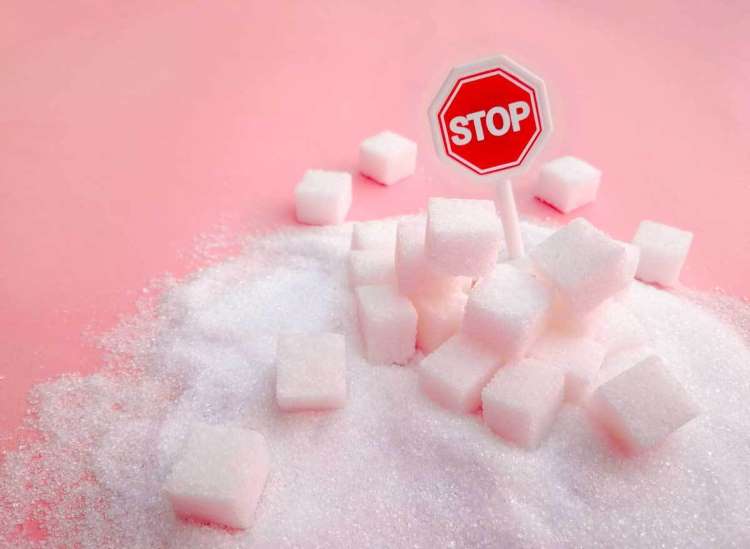
Ways To Stop Eating Lots of Sugar


1. Cut Back on Sugar-Filled Drinks
Some popular drinks contain a heap of added sugar.
Sodas, energy drinks, sports drinks and fruit drinks contribute an astounding 44% of the added sugar in the American diet.

So-called "healthy" drinks, such as smoothies and fruit juices, can still contain eye-watering amounts of it. For example, 15.2 ounces (450 ml) of 100% apple juice contains more than 12 teaspoons (49 grams)

Your body does not recognize calories from drinks in the same way it does from food. Drinks don't make you feel as full, so people who consume lots of calories from drinks do not eat less to compensate.

Studies have consistently shown that reducing your intake of sugary drinks can help with weight loss.

Here are some better, lower-sugar drink options:
Water: It's free and has zero calories.
Sparkling water with a squeeze of fresh lemon or lime: Homemade soda.
Water with mint and cucumber: Amazingly refreshing in warm weather.
Herbal or fruit teas: Drink them hot or cold with ice.
Tea and coffee: Stick to unsweetened tea or black or flat white coffee.

Cutting back on sugary drinks can massively reduce your sugar intake and help you lose weight. 

2. Avoid Sugar-Loaded Desserts
Most desserts don't provide much in the way of nutritional value.
They are loaded with sugar, which causes blood sugar spikes and can leave you feeling tired, hungry and craving more sugar.

Grain and dairy-based desserts, such as cakes, pies, doughnuts and ice cream, account for over 18% of the intake of added sugar in the American diet.
If you really feel the need for something sweet, try these alternatives:

Fresh fruit: Naturally sweet and full of fiber, vitamins and minerals.
Greek yogurt with cinnamon or fruit: Rich in calcium, protein and vitamin B12.
Baked fruit with cream: Try pears, apple or plums.
Dark chocolate: In general, the higher the cocoa content, the lower the sugar.
A handful of dates: They're naturally sweet and extremely nutritious.

Swapping sugar-heavy desserts for fresh or baked fruit not only reduces your sugar intake, it also increases the fiber, vitamins, minerals and antioxidants in your diet.

3. Avoid Sauces With Lots of Sugar
Sauces such as ketchup, barbecue sauce and sweet chili sauce are commonplace in most kitchens. However, most people aren't aware of their shocking sugar content.
A single tablespoon (15-gram) serving of ketchup may contain 1 teaspoon (4 grams).
Although, some varieties have no added sugar. Always read the label to be sure you are choosing the lowest-sugar option.

Here are some other options to flavor your food:
Fresh or dried herbs and spices: Contain no sugar or calories and can have added health benefits.
Fresh chili: Give your food a sugar-free kick.
Yellow mustard: Tasty and contains virtually no sugar or calories.
Vinegar: Sugar and calorie-free, with a zing similar to that of ketchup. Some balsamic vinegars and creams may contain sugar.
Harissa paste: Can be bought or made and is a good replacement for sweet chili sauce.
Pesto: Fresh and nutty, great on sandwiches or eggs.
Mayonnaise: Although it's sugar-free, it's high in fat, so be cautious if you're trying to lose weight.

4. Eat Full-Fat Foods
Low-fat options of your favorite foods — peanut butter, yogurt, salad dressing — are everywhere.
If you've been told that fat is bad, it may feel natural to reach for these alternatives, rather than the full-fat versions, when you're trying to lose weight.
However, the unsettling truth is that they usually contain more sugar and sometimes more calories than their full-fat counterparts.

A 4-ounce (113-gram) serving of low-fat vanilla yogurt contains 4 teaspoons (16 grams) of sugar and 96 calories.

The same amount of full-fat plain yogurt contains just over a teaspoon (5 grams) of naturally occurring milk sugar and only 69 calories.
Another example is an 8-ounce (237-ml) coffee made with whole milk and no added sugar, which contains half a teaspoon (2 grams) of naturally occurring milk sugar and 18 calories.

In contrast, the same amount of a low-fat mocha drink contains 6.5 teaspoons (26 grams) of added sugar and 160 calories.
High sugar intake has also been shown to cause weight gain, which negates the reason you might have chosen a low-fat food in the first place.
When you're trying to cut your sugar intake, it's often better to choose the full-fat version instead.

5. Eat Whole Foods
Whole foods have not been processed or refined. They are also free of additives and other artificial substances.

At the other end are ultra-processed foods. These are prepared foods that contain salt, sugar and fats, but also substances not usually used in home cooking.
These substances can be artificial flavors, colors, emulsifiers or other additives. Examples of ultra-processed foods are soft drinks, desserts, cereals, pizzas and pies.
Ultra-processed foods differ from standard processed foods, which usually only have minimal ingredients added, all of which you might find in a standard kitchen.
Examples of standard processed foods are simple bread and cheese.
90% of the added sugars in the average American's diet come from ultra-processed foods, whereas only 8.7% come from foods prepared from scratch at home using whole foods.

And it isn't just junk food that contains high amounts of it.
Seemingly healthy options like canned pasta sauce can also contain alarming amounts. One serving (128 grams) can contain nearly 3 teaspoons (11 grams).
Try to cook from scratch when possible so you can avoid added sugars. You don't have to cook elaborate meals. Simple tricks like marinating meat and fish in herbs, spices and olive oil will give you delicious results.

6. Check for Sugar in Canned Foods
Canned foods can be a useful and cheap addition to your diet, but they can also contain a lot of added sugar.

Fruits and vegetables contain naturally occurring sugars. However, they're not an issue since they do not affect your blood sugar in the same way that added sugar does.  Avoid canned foods that are packed in syrup or have sugar in the ingredients list. Fruit is sweet enough, so go for versions that are labeled with "in own juice" or "no added sugar.

If you buy canned fruits or vegetables that do have added sugar, you can remove some of it by rinsing them in water before you eat them.

7. Be Careful With So-Called "Healthy" Processed Snack Foods
Most people know that candy and cookies contain a lot of sugar, so they may look for "healthy" snack alternatives. Surprisingly, snacks like granola bars, protein bars and dried fruit can contain as much, if not more, sugar than their unhealthy rivals, such as chocolate bars.
Some granola bars can contain as much as 8 teaspoons (32 grams).

Dried fruit is full of fiber, nutrients and antioxidants. However, it is also full of natural sugar, so it should be eaten in moderation.  Some dried fruit also contains high quantities of added sugar. To avoid this, look for ingredients labels that say "100% fruit.

Or try these healthy snack ideas instead:
A handful of nuts: Packed with good calories, protein and healthy fats.
Trail mix: Make sure it's just nuts and dried fruit, without added sugar.
No-added-sugar jerky: Full of protein and low in calories.
Hard-boiled egg: This superfood is high in protein, vitamins and minerals.
Fresh fruit: Contains natural sugar to satisfy those sugar cravings.

Don't be fooled by the "healthy" marketing messages on some snacks. Be prepared and take low-sugar snacks with you when you're on the go.

8. Avoid Sugar-Filled Breakfast Foods
Breakfast cereals are among the worst when it comes to added sugar. One reports found that some of the most popular ones contained over half of their weight in added sugar.  One cereal in the report contained over 12 teaspoons (50 grams) per serving, which made it 88% sugar by weight.

What's more, the report found that granola, which is usually marketed as "healthy," has more sugar than any other type of cereal, on average.
Popular breakfast foods, such as pancakes, waffles, muffins and jams, are also loaded with added sugar.

Switch to these low-sugar breakfast options instead:
Hot oatmeal: Add some chopped fruit if you like it sweet.
Greek yogurt: Add fruit and nuts for extra good calories.
Eggs: Boiled, poached, scrambled or as an omelet.
Avocado: Packed full of nutrition and healthy fats for energy.

Choosing a low-sugar option with high protein and fiber at breakfast will help you feel full until lunchtime, preventing unnecessary snacking.

9. Read Labels
Eating less sugar isn't as easy as just avoiding sweet foods. You've already seen that it can hide in unlikely foods, including some breakfast cereals, granola bars and dried fruit.

However, some savory foods, such as bread, can also contain a lot of added sugar. Two slices can contain 1.5 teaspoons (6 grams).
Unfortunately, it isn't always easy to identify added sugars on a food label. Current food labels don't differentiate between natural sugars, such as those in milk or fruits, and added sugars.

To see if a food has sugars added, you will need to check the ingredients list. It is also important to note the order in which sugar appears on the list, since ingredients are listed in order of the highest percentage first.

Food companies also use more than 50 other names for added sugar, which makes it more difficult to spot. Here are some of the most common:
High-fructose corn syrup
Cane sugar or juice
Maltose
Dextrose
Invert sugar
Rice syrup
Molasses
Caramel

Thankfully, identifying sugar in packaged food in the US just got much easier.
The US Food and Drug Administration (FDA) has changed their rules so that companies have to show the amount of added sugar in their products on the ingredients label in grams, along with a percentage of the daily value.
Companies have until 2018 to change their labels to comply.

10. Eat More Protein and Fat
A high sugar intake is linked to increased appetite and weight gain.
Conversely, a diet low in added sugar but high in protein and fat has the opposite effect, reducing hunger and food intake.

Added sugar in the diet, particularly fructose, increases appetite. The signals that usually let your brain know that you are full do not work properly, which can lead to overeating and weight gain.

On the other hand, protein has been proven to reduce appetite and hunger. If you feel full, then you are less likely to crave the quick hunger fix that sugar provides.
Protein has also been shown to directly reduce food cravings. One study showed that increasing protein in the diet by 25% reduced cravings by 60%
Fat is very high in energy. It contains 9 calories per gram, compared to 4 calories per gram in protein or carbs.

A high fat intake is also associated with reduced appetite. According to the fat content of a food, fat receptors in the mouth and gut alter the way it's digested. This causes a reduction in appetite and subsequently, calorie intake.
To curb sugar cravings, stock up on protein and fat-rich whole foods, such as meat, fish, eggs, full-fat dairy products, avocados and nuts.

11. Consider Natural Sweeteners
For some people, sugar can be as addictive as drugs or alcohol. In fact, studies have shown that it can affect the brain in a way similar to that of some drugs.

Addiction to sugar produces cravings and a "tolerance" level, meaning more and more of it must be consumed to satisfy those cravings.
It is also possible to suffer from sugar withdrawal.

Studies have found that rats experienced signs of anxiety and depression after a high sugar diet was stopped.

This shows that giving up sugar can be very difficult for some people. If you are struggling, there are a few naturally sweet alternatives that are actually good for you.
Stevia: Extracted from the leaves of a plant called Stevia rebaudiana, it has virtually no calories and has been shown to help reduce blood pressure and blood sugar in people with diabetes.
Erythritol: Found naturally in fruit, it only contains 6% of the calories of sugar, but it's much sweeter, so only a little is needed. It also doesn't cause blood sugar spikes.
Xylitol: A sweetener found naturally in many fruits and vegetables. It doesn't cause blood sugar spikes.

Once you cut your sugar intake, you'll adjust to enjoying foods that are less sweet.

12. Don't Keep Sugar in the House
If you keep high-sugar foods in the house, you are more likely to eat them.
It takes a lot of willpower to stop yourself if you only have to go as far as the pantry or fridge to get a sugar hit.

Although cravings for snacks and sweet foods can occur at any time of the day or night, they may be worse in the evenings. Evidence shows that your circadian rhythm, or internal clock, increases hunger and cravings for sweet and starchy foods in the evenings.

It is important to consider how you're going to distract yourself when you feel the need to eat something sweet.  Studies have shown that distraction, such as doing puzzles, can be very effective at reducing cravings. If that doesn't work, then try to keep some healthy, low-sugar snacks in the house to munch on instead.

13. Don't Shop When You're Hungry
If you've ever been shopping when you're hungry, you know what can happen.
Not only do you buy more food, but you also tend to put less healthy options in your shopping cart.

Shopping while hungry has been shown not only to increase the amount of food purchased, but also to affect the type of foods you buy. In a controlled study, 68 participants fasted for five hours. Half the participants were then allowed to eat as many wheat crackers as they liked just before going shopping, while the other half went shopping on an empty stomach. They found that the hungry group purchased more high-calorie products, compared to those who were less hungry.
In another study, 82 grocery shoppers were observed to see if the time of day they went shopping had any effect on their purchases.

The study found that those who shopped between 4–7 pm, around dinnertime, when they were likely to be hungry, bought more high-calorie products than those who shopped between 1–4 pm, shortly after lunch.

14. Get Enough Sleep
Good sleep habits are incredibly important for your health. Poor sleep has been linked to depression, poor concentration and reduced immune function.
The link between lack of sleep and obesity is well known. But recently, researchers discovered that lack of sleep also affects the types of food you eat.

One study looked into this phenomenon in 23 healthy adults. Their brains were scanned using functional magnetic resonance imaging (fMRI), first after a full night's sleep and then following a sleepless night.

The researchers found that function of the frontal lobe, the part of the brain that controls decision making, was impaired after a sleepless night. Furthermore, the area of the brain that responds to rewards and controls motivation and desire was stimulated.  These changes meant that participants favored high-calorie, sweet and salty foods when they were sleep deprived.

Another study found that people who went to bed late and did not get a full night's sleep consumed more calories, junk food and soda and fewer fruits and vegetables, compared to those who went to bed earlier and got a full night's sleep.
So going to bed early and sleeping well may help you reduce your sugar intake.

Monday, February 10, 2020

What Is The Optimal Heart Rate To Lose Fat


The link between heart rate and fat loss
Your body requires glucose as fuel for your muscles. The 2 main sources of fuel are glycogen (a substance that stores carbohydrate) and fat, which breaks down to form glucose and ultimately carbon dioxide and water. Oxygen is required to oxidize (break down) either the glycogen or fat stores into glucose to fuel the muscles.

During a workout, your body requires more energy. Thus, your heart pumps faster and harder to send oxygen to your muscle cells to break down more glycogen and fat to fuel your muscles.

While 1 gram of carbohydrate contains 4 calories of energy, 1 gram of fat contains 9 calories. This makes glycogen (carbohydrate) a less dense form of energy storage that is readily broken down into glucose, as compared to fats. As such, glycogen is your body's first source of energy during exercise. Since high-intensity workouts require more energy quickly, you tap on glycogen rather than fat in your body for fuel. Your body only taps onto the next fuel, fat, when you start to run out of glycogen.

The truth of the fat burning zone theory
The fat burning zone theory seeks to help adherents lose weight by tapping on the body’s fat storage rather than glycogen. They argue that the body burns a greater percentage of fat with lower-intensity exercises than at higher intensities because the body does not require ‘fast energy’ from glycogen. As such, this theory promotes longer and lower-intensity cardio workouts that maintain your heart rate within the ‘fat burning zone’.

However, that is a bit of a misconception. While it is true that the body burns fat during low-intensity workouts, the fat burning rate remains low and you have to exercise longer to burn the same amount of calories you would at higher intensities.
In a high-intensity workout, although your body uses your glycogen stores first for ‘fast energy’, it depletes the glycogen stores rapidly enough to force your body to tap on the fat storage. This means that high-intensity workouts are more efficient in burning way more total calories – both glycogen and fat calories. Ultimately, the total number of calories you burn leads to the most weight (and fat) loss.

The 4 training zones
Working out with a heart rate monitor helps you to gauge the specific zones in which your body is working and how your body benefits from different intensities of exercise. Each of the 4 main training zones can be predicted by your heart rate:
Your warm-up zone is where you prepare your cardio-respiratory system, muscles and joints to exercise harder. Here, you are functioning at 60 – 70% of your maximum heart rate. It is a comfortable pace where you feel as though you can go on for a long time.

Just beyond the warm-up zone is the so-called fat burning zone where you are working out at about 70 – 80% of your maximum heart rate. It is still a comfortable rate but you might sweat more and breathe harder than usual. Although you may burn more fat than glycogen at this zone, the absolute amount of fat burnt is much less than the subsequent stages.

Still in the comfortable zone is the aerobic zone. Your heart rate is at 81 – 93% of your maximum heart rate. You will be able to talk but only in short phrases. The calories you burn here split evenly between your fat stores and glycogen. Although you will not burn more fat calories than glycogen, you will be burning more calories overall. (Plus, the aerobic zone makes your heart pump hard, which is great to keep your heart healthy!)

Finally, you will be at 94 – 100% of your maximum heart rate in the anaerobic territory. You are panting and unable to talk. It is hard work and nearly impossible to spend more than a minute here as your glycogen stores are depleted faster than they can be replenished. Anaerobic intervals widen your fat and aerobic zones and zap tons of calories. This is where the afterburn (temporary increase in metabolism) kicks in. Also known as excess post-exercise oxygen consumption (EPOC), your body continues to burn more calories even after a high-intensity workout, as compared to a low-intensity exercise.

A high-intensity workout reaps many benefits of burning total calories efficiently both during and after exercising, and keeping your heart healthy. But if you prefer a low-intensity workout, it would require you to devote a longer amount of time to burn the same amount of calories!